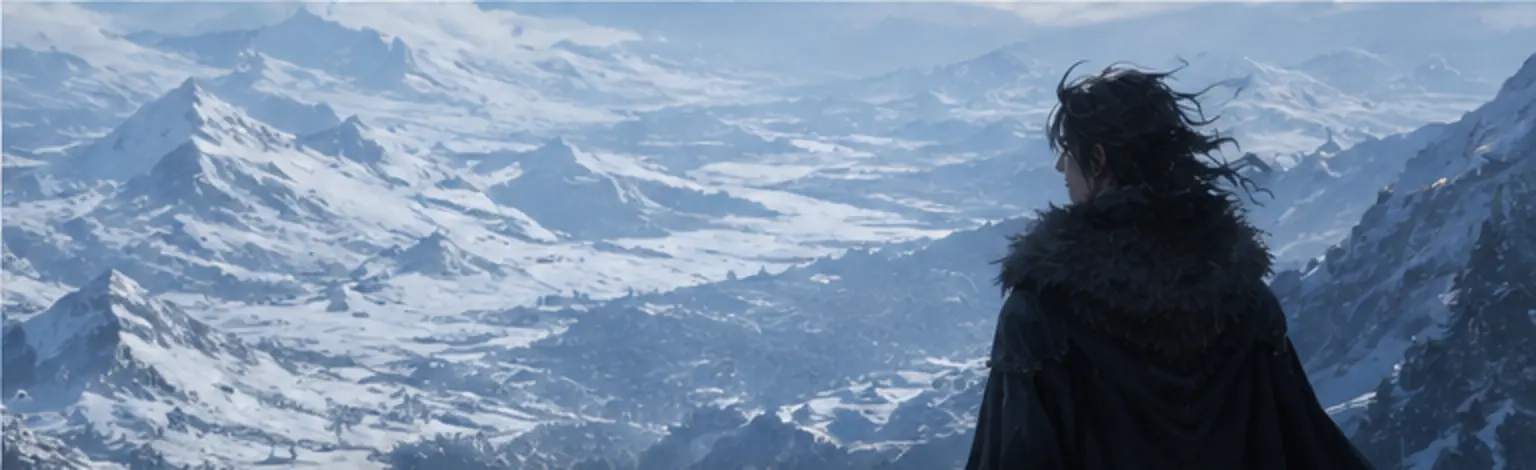
The Shield Walked First
Before the shield became a house, it was a boy carrying a chair, a father who could not carry his daughter, and a gate that opened inward.
The Boy Who Carried the Chair
Brannor Ironvale was four years old when he decided his father was doing chairs incorrectly.
Corven discovered this when he entered the breakfast room and found his son carrying one.
Not dragging.
Carrying.
The chair was almost as tall as Brannor.
Its carved back rose above his head. Both small arms were locked around the seat. His face had gone red.
He was moving toward the dining table one determined half-step at a time.
Corven stopped.
“Why?”
Brannor froze.
The chair did not.
It tilted.
Corven caught it with one hand before the carved back struck the floor.
Brannor looked offended.
“I had it.”
“Yes.”
“You took it.”
“Yes.”
“I was carrying it.”
“Yes.”
Lady Ironvale sat at the table with both hands around a cup.
She did not help.
This was deliberate.
Corven looked at her.
She looked at him.
“You made him.”
“I did not make him carry furniture.”
“You made him watch you.”
“That is different.”
“No.”
Corven looked back at his son.
Brannor had both hands on the chair again.
“Put it down.”
“I can do it.”
“I know.”
“Then why?”
Corven considered.
The correct answer should have been simple.
Because it is heavy.
But Brannor would hear:
You are small.
Corven knew this because four-year-old boys were exceptionally talented at turning safety into insult.
“Because the chair is not going anywhere.”
Brannor frowned.
“It needs to go there.”
He pointed.
One chair was missing from the table.
Corven looked.
Then at Lady Ironvale.
She took a slow drink.
“The west leg cracked yesterday.”
“You removed it?”
“Yes.”
“Why is there no replacement?”
“I wanted to see what happened.”
Corven stared.
“You tested our son with furniture?”
“I tested my husband.”
“That is worse.”
“Is it?”
Brannor pulled the chair.
Corven held it.
Neither moved.
Lady Ironvale said:
“He saw an empty place.”
Corven looked at her.
“He decided it was his job to fill it.”
Silence.
Brannor tugged again.
Corven let go.
The boy nearly fell backward.
He recovered.
Lifted the chair.
And resumed walking.
Corven watched.
One step.
Pause.
Another.
The chair was too heavy.
Not dangerously.
Not yet.
But Brannor’s shoulders had already chosen the wrong answer.
Not ask.
Not wait.
Carry.
Corven knew that answer.
Too well.
He walked over.
Brannor tightened his grip.
“No.”
“I did not say anything.”
“You were going to.”
Corven crouched.
The chair remained between them.
“Do you know why the chair was empty?”
“Broken.”
“No. That one was broken.”
Corven pointed toward the wall.
“The empty place is different.”
Brannor looked confused.
Corven tapped the table.
“Someone needs a chair.”
“Yes.”
“That does not mean you need to carry one.”
Brannor frowned harder.
“Then who?”
Corven opened his mouth.
Nothing came out.
Lady Ironvale hid a smile behind the cup.
Brannor waited.
Corven looked at the chair.
Then toward the corridor.
A servant crossed the doorway.
Corven called:
“Ressa.”
The woman stopped.
“My Lord?”
“Can you help us with this chair?”
Brannor looked horrified.
The servant looked from Corven to the child.
Then understood far too much.
“Yes, my Lord.”
Corven took one side.
Ressa took the other.
Together they placed the chair at the table.
Brannor stood with empty hands.
He did not like them.
Corven could see that.
“Why didn’t you do it?”
“I did.”
“You didn’t carry all of it.”
“No.”
Brannor stared at the chair.
“That counts?”
“Yes.”
The answer sounded obvious.
It was not.
Corven felt that somewhere unpleasant.
Lady Ironvale finally said:
“Breakfast.”
Brannor climbed into his chair.
Corven sat beside him.
The boy immediately reached for the bread basket.
It was too far.
Corven moved it closer.
Brannor looked at his father.
“You carried that.”
“Yes.”
“Alone.”
“It weighs less than a chair.”
Brannor considered this distinction.
Then nodded solemnly.
Corven thought the lesson was finished.
It was not.
Four-year-old children rarely respected closure.
“What if the chair was very heavy?”
“Then ask more people.”
“What if nobody comes?”
Corven looked at him.
The bread remained halfway to Brannor’s mouth.
“What if nobody comes?” the boy repeated.
Corven knew the answer he had lived by.
Then you carry it anyway.
He almost said it.
Lady Ironvale lowered her cup.
Corven noticed.
So did she.
He looked at his son.
“If nobody comes…”
Brannor waited.
“…first ask why.”
The boy frowned.
“That is not carrying.”
“No.”
“Then what?”
Corven looked toward the western windows.
Beyond them, Ironvale walls descended in thick gray steps toward the valley.
Walls.
Gates.
Weight.
House doctrine written in stone.
“Finding out whether it needs carrying at all.”
Brannor did not understand.
That was fine.
Corven was not certain he did either.
The western gate had cracked during the night.
Not the gate itself.
The load beam above it.
Corven stood beneath a forest of temporary supports while three engineers argued over which section of stone was carrying the weight.
Brannor stood twenty feet away holding Quarn’s hand.
Corven had not asked Quarn to hold him.
Quarn had simply done it.
Or, more accurately, Brannor had taken two of Quarn’s fingers and Quarn had failed to object quickly enough.
The old road-man looked down.
“Why here?”
Brannor pointed at Corven.
“Father.”
“Bad reason.”
“He works.”
“Worse.”
Brannor looked up.
“Why?”
Quarn pointed toward the cracked beam.
“Work falls.”
Brannor thought.
“Father catches it.”
Quarn looked at Corven.
Corven heard.
Pretended not to.
One engineer said:
“If we brace the inner face, the outer load redistributes.”
The second shook his head.
“Through the lower arch.”
“The arch is already carrying too much.”
“Not if we close the west gate.”
“We cannot close it. Harvest carts—”
Corven stepped beneath the beam.
All three men stopped.
“Do not stand there,” the first engineer said.
Corven looked up.
“Why?”
“Because we have not determined the load.”
“Then determine it.”
“From there?”
“Yes.”
The engineer stared.
Quarn said from twenty feet away:
“Idiot.”
Brannor gasped.
“You called Father idiot.”
“Yes.”
Corven looked over.
“Helpful.”
“No.”
The first engineer took a measuring rod.
Corven put one shoulder beneath the auxiliary brace.
The timber groaned.
“Now.”
The engineer measured.
Another checked the lower arch.
The third marked the stone.
Brannor watched his father become part of the structure.
His eyes widened.
Quarn noticed.
“Bad,” he said.
Brannor looked up.
“Father is strong.”
“Yes.”
“He holds it.”
“Yes.”
“So good.”
Quarn crouched.
The movement made his knees complain.
He ignored them.
“Beam learns father there.”
Brannor frowned.
“What?”
“If father always holds, everyone builds like father always there.”
The boy looked toward Corven.
Corven heard that too.
The timber pressed against his shoulder.
Suddenly it felt heavier.
The engineer shouted:
“Enough! We have it.”
Corven stepped away.
Immediately one worker moved to replace him.
Then another.
Then another.
Three braces took the weight.
Corven rolled his shoulder.
Quarn stood.
Brannor let go of his fingers and ran over.
“Did it hurt?”
“No.”
Quarn said:
“Yes.”
Corven looked at him.
Quarn shrugged.
Brannor touched his father’s sleeve.
“Why did you do it?”
“So they could measure.”
“You carried it.”
“For a moment.”
Brannor looked toward the three braces.
“They carry now.”
“Yes.”
“Together.”
“Yes.”
The boy thought about breakfast.
Corven could see it.
He looked at Quarn.
Quarn was already walking away.
“Where are you going?”
“Food.”
“We ate.”
“You did.”
Brannor immediately followed him.
Corven watched his son go.
One engineer approached.
“My Lord.”
“Hm?”
“You could have been crushed.”
“No.”
The engineer stared.
Corven corrected himself.
“Yes.”
“That did not sound convincing.”
“No.”
The man looked toward the supports.
“We could have measured another way.”
Corven looked at him.
“How?”
The engineer explained.
It took longer.
Required rope.
Two weighted markers.
A temporary platform.
No one underneath the beam.
Corven listened.
When the man finished, Corven said:
“Use that next time.”
The engineer blinked.
“You knew it would be slower.”
“Yes.”
“And you still—”
“Yes.”
“Why?”
Corven looked toward Brannor.
The boy had convinced Quarn to give him half a piece of bread.
Corven watched his son carry it with both hands.
“Bad habit.”
The engineer did not understand.
Corven did.
For the first time, he was beginning to dislike the part of himself everyone else called dependable.
The Daughter He Could Not Carry
When Vaelene Ironvale was born, Corven discovered the most useless thing a strong man could own.
Hands.
His had nothing to do.
That was intolerable.
Behind the closed chamber door, his wife screamed.
Corven stood in the corridor.
Brannor sat on the floor with a blanket around his shoulders.
He was nine now.
Old enough to understand what screaming meant.
Young enough to believe adults could always fix it.
“Why aren’t you inside?”
Corven looked at the door.
“Because they told me to leave.”
Brannor frowned.
“You are Lord Ironvale.”
“Yes.”
“You can tell them no.”
“Yes.”
“Then?”
Corven looked at him.
“Your mother asked me to leave too.”
Corven let the sentence stand between them.
Brannor looked toward the door.
Another cry.
His shoulders tightened.
Corven knew that posture.
He had taught it without meaning to.
The boy rose.
“I can help.”
“No.”
“What if they need water?”
“They have water.”
“Cloth?”
“They have cloth.”
“What if—”
“Brannor.”
The boy stopped.
Corven sat beside him.
The corridor floor was cold.
Neither cared.
“Sometimes,” Corven said, “the person you love is carrying something you cannot take.”
Brannor looked angry.
“Why?”
“Because it belongs to their body.”
“Then we do nothing?”
“No.”
“What do we do?”
Corven looked at the door.
“Stay close enough to answer.”
Brannor considered.
“That sounds like Quarn.”
“Do not tell him.”
“Why?”
“He will become worse.”
That got a smile.
Small.
Enough.
The door opened.
A midwife stepped out.
Corven stood so quickly the bench behind him struck the wall.
Brannor stood too.
The midwife looked exhausted.
Then smiled.
“Both alive.”
Corven did not breathe.
“Both?”
“Your wife.”
A pause.
“And your daughter.”
Brannor turned.
“Daughter?”
The word sounded like a newly discovered species.
Corven stared at the midwife.
“Can I see them?”
“She specifically said yes.”
“That seems unnecessarily pointed.”
“It was.”
Corven entered.
Lady Ironvale looked furious.
This reassured him.
People too weak to be angry frightened Corven.
She lay beneath several blankets, hair damp against her forehead.
Beside her, wrapped in gray-white cloth, was the smallest face Corven had seen since Brannor.
Smaller.
That seemed unreasonable.
Corven approached carefully.
His wife looked at him.
“You may breathe.”
“I am.”
“No.”
He tried.
Failed.
Brannor entered behind him.
Stopped at the bed.
The baby made one thin sound.
Brannor stepped backward.
“What is that?”
Lady Ironvale smiled.
“Your sister.”
“She sounds broken.”
“Brannor.”
“What?”
Corven looked down at the infant.
Vaelene.
They had discussed names for months.
This one had survived every argument.
Vaelene Ironvale.
The child opened one eye.
Then closed it.
Apparently unimpressed with the House.
Corven approved.
“Can I hold her?” Brannor asked.
Corven looked at him immediately.
Too immediately.
Brannor saw.
“I held chairs when I was four.”
“That is not a qualification.”
“I am nine.”
“Also not a qualification.”
Lady Ironvale said:
“Corven.”
He looked at her.
She lifted one eyebrow.
Ten years of marriage had taught him what that meant.
He hated that it remained effective.
Corven took Vaelene first.
Not because Brannor could not.
Because Corven needed to know the exact weight before handing it away.
He realized this while doing it.
Too late.
Vaelene fit against one arm.
Warm.
Very light.
Alive.
Her hand emerged from the cloth.
Closed around nothing.
Brannor leaned closer.
“She is smaller than I was.”
“You do not remember how small you were.”
“I have been told.”
“Repeatedly.”
“By Teren.”
“Do not believe Teren.”
“Mother says the same.”
Lady Ironvale closed her eyes.
“Both of you are exhausting.”
Corven looked at Brannor.
“Sit.”
The boy climbed onto the chair.
Corven positioned his arms.
Adjusted them.
Then stopped.
He remembered Aldren.
Frozen with Brannor in his hands ten years ago.
Corven had found it funny.
Now he understood more of it.
“Ready?”
Brannor nodded.
Corven placed Vaelene into his arms.
The boy went rigid.
Corven almost took her back.
His hands moved.
Stopped halfway.
Brannor saw.
“Father.”
“Yes?”
“I have her.”
Corven looked at his son.
Then lowered his hands.
“Yes.”
Vaelene shifted.
Brannor’s face changed.
Fear.
Then concentration.
Then something Corven had never seen in him before.
Softness without embarrassment.
“Her fingers are tiny.”
“Yes.”
“She cannot hold anything.”
“No.”
“Then we hold for her.”
Corven felt the old answer rise.
Yes.
The strong hold.
The strong stand.
The strong take the weight.
He looked at Brannor.
Nine years old.
Already tall for his age.
Already watching every missing chair.
Every cracked beam.
Every burden in every room.
Corven said:
“For now.”
Brannor looked up.
“What?”
“We hold for her now.”
“And later?”
“She learns what she can hold herself.”
Brannor frowned.
“What if it is too heavy?”
“Then she asks.”
“What if she doesn’t?”
Corven knew that answer too well.
“Then you remind her.”
Brannor nodded.
Corven continued:
“But you do not become her wall.”
The boy looked confused.
“We are Ironvale.”
“Yes.”
“We are walls.”
“No.”
Brannor stared at him.
Corven looked toward the window.
Ironvale walls stood black against early morning.
He had heard the House described the same way all his life.
Wall.
Weight.
Gate.
Hold.
Do not fall.
He had repeated it without questioning what happened when a wall was all a House remembered how to be.
“A wall is one thing,” Corven said.
Brannor waited.
“A gate is another.”
“What is the difference?”
“A wall decides nothing passes.”
“And a gate?”
Corven looked down at Vaelene.
The child had fallen asleep in Brannor’s arms.
“A gate has to know when to open.”
Brannor thought.
Then looked at his sister.
“What if she becomes a gate?”
Corven smiled.
“Then we will have trouble.”
Lady Ironvale opened one eye.
“We already do.”
Vaelene moved one tiny hand.
Her fingers caught Brannor’s sleeve.
The boy stopped breathing.
Corven almost laughed.
Did not.
Some moments deserved to remain small.
Dawn reached the valley.
Corven stood alone outside.
Quarn found him there.
Of course he did.
“How?”
Quarn asked.
“Both alive.”
“Good.”
“Girl.”
Quarn nodded.
“Good.”
“You could vary the response.”
“No.”
Corven leaned against the stone.
For several minutes they watched the valley.
Then Quarn said:
“You look bad.”
“I have not slept.”
“Not that.”
Corven looked over.
Quarn pointed toward his hands.
They were clenched.
Corven opened them.
“Nothing to carry,” Quarn said.
Corven looked toward the chamber.
“No.”
“Hard?”
Corven smiled without humor.
“Yes.”
Quarn nodded.
No advice.
That irritated Corven.
“Say something useful.”
“No.”
“Why?”
“Learning.”
“Me?”
“Yes.”
“How?”
Quarn looked at him.
“Hands empty.”
Then he walked away.
Corven looked down at his palms.
For once, he let them remain that way.
The Gate That Opened Inward
Vaelene was six when she learned that gates made louder sounds than people expected.
The first time the western gate opened under emergency counterweight, she covered both ears.
Brannor laughed.
Vaelene glared at him.
She had Corven’s glare.
This pleased Corven more than it should have.
“Again,” he said.
Vaelene stared.
“No.”
Brannor leaned against the inner wall.
“He means the gate.”
“I know what he means.”
“Then why answer?”
“Because I dislike it.”
Brannor smiled.
At sixteen, he had discovered the deeply irritating calm of older brothers.
Corven remembered Teren at twenty-four and recognized the danger.
“Do not smile like that.”
Brannor frowned.
“Like what?”
“Dramarch.”
The smile vanished.
Vaelene laughed.
Corven looked at her.
“You were frightened.”
“No.”
“You covered your ears.”
“It was loud.”
“That can be frightening.”
“I was not frightened.”
Brannor said:
“She was frightened.”
Vaelene turned.
“I will hit you.”
“Gate first.”
She looked at Corven.
“May I hit him after?”
“We will review.”
Brannor laughed again.
The western gate stood open behind them.
Ironvale built gates differently from Gavrion.
Thicker.
Heavier.
No ornamental wings.
No polished ceremonial frontage.
Just layered stone, iron teeth and counterweight architecture designed to survive people doing stupid things nearby.
Corven had spent most of his life respecting that.
The problem had begun when thirty-two families appeared outside it.
Not enemy.
Not citizens of Ironvale.
Marcher tenants from a valley east of the ridge after a landslide buried their road and damaged two storehouses.
The gate captain wanted them held outside until registry cleared.
The weather disagreed.
Rain had begun.
Hard.
Corven looked through the open gate.
Families moved inside under supervision.
Children.
Carts.
Wet blankets.
Two goats.
One old man who had refused assistance until Vaelene told him his stubbornness was slowing everyone else.
He had accepted help immediately.
Corven had laughed for nearly half a minute.
The gate captain had not.
“Father,” Brannor said.
Corven looked at him.
“The lower yard will fill.”
“Yes.”
“If we close after them, the supply carts cannot pass.”
“Yes.”
“If we leave it open, security is worse.”
“Yes.”
Brannor frowned.
“You keep saying yes.”
“Yes.”
Vaelene said:
“He does that when he wants us to think.”
Brannor looked at her.
“You are six.”
“I can still notice things.”
Corven said nothing.
The rain thickened.
The last refugee cart crossed the threshold.
The gate captain approached.
“My Lord.”
“Report.”
“Thirty-two households. Ninety-one persons counted. Three unknown absent from the registry list but vouched by kin. Fourteen animals. No visible weapons beyond tools.”
“Food?”
“Three days if we issue from western stores.”
Brannor said:
“Then close.”
Corven looked at him.
“Why?”
“Everyone is inside.”
“Is that the only problem?”
“The weather.”
“Outside the gate?”
Brannor glanced through the opening.
A line of supply wagons was approaching through mud.
Farther away, two mounted riders.
One broken cart.
The road still existed.
Vaelene walked closer to the threshold.
Rain struck her hair.
“Someone else is coming.”
“Yes,” Corven said.
Brannor looked irritated.
“If we leave it open for everyone, it is not a gate.”
Vaelene turned.
“Then what is a gate for?”
“To keep the Hold safe.”
“From rain?”
“No.”
“From carts?”
“No.”
“From old people?”
“Vaelene.”
She crossed her arms.
Brannor looked at Corven.
“Father.”
Corven could hear himself in the boy.
That frightened him more than argument.
Ironvale is not permitted to fall.
The strong hold.
The wall stands.
He had never said those exact words to Brannor often.
He had not needed to.
Children learned doctrine from posture before language.
Corven walked to the threshold.
Rain struck his face.
He looked out.
The gate captain waited.
Brannor waited.
Vaelene waited.
“Half-open,” Corven said.
The captain frowned.
“My Lord?”
“Hold western leaf. Close eastern leaf.”
“That creates a narrow passage.”
“Yes.”
“Harder to defend than sealed.”
“Easier to control than open.”
Brannor understood first.
“We keep one lane.”
“Yes.”
“For incoming supply.”
“And anyone else who reaches the gate.”
The captain hesitated.
“Anyone?”
Corven looked at him.
“Anyone who reaches the gate gets counted before we decide what happens next.”
Vaelene smiled.
Brannor did not.
Not yet.
The gate moved.
Iron screamed through stone.
Vaelene covered her ears again.
Brannor saw.
This time he did not laugh.
He stepped beside her.
One gate leaf closed.
The other remained open.
Not wide.
Enough.
The supply wagons entered one at a time.
Each counted.
Each inspected.
Each given direction.
The two riders arrived.
Messengers.
Then the broken cart.
A woman with an injured ankle.
A child asleep beneath sacks.
No catastrophe.
No brilliant victory.
Just a gate refusing the false choice between closed and helpless.
Vaelene watched every arrival.
Corven watched her.
At sunset she said:
“I like gates.”
Brannor looked at her.
“Because they are loud?”
“No.”
“Because they are heavy?”
“No.”
“Then why?”
Vaelene pointed toward the remaining opening.
“They can change their mind.”
Brannor frowned.
Corven looked at his daughter.
Six years old.
Wet hair.
Mud on both shoes.
Very serious.
He felt something inside him move.
Not pride exactly.
Recognition.
A wall did not need judgment.
A gate did.
“Remember that,” Corven said.
Vaelene looked at him.
“Why?”
“Because Ironvale forgets.”
Brannor stiffened.
“Our House does not forget.”
Corven turned.
“Yes, it does.”
The boy looked almost offended.
Corven touched the gate stone.
“Every House does.”
Rain ran beneath his fingers.
“We remember what saved us last time.”
He looked at Brannor.
“Then mistake it for the only thing that can save us next time.”
Brannor was quiet.
Vaelene put one small hand against the gate.
“What saved us last time?”
Corven smiled.
“Weight.”
“And next time?”
He looked through the narrow opening.
“I hope you tell me.”
The Shield Walked First
The first wagon fell because Corven had been looking at the second.
He never forgave himself for that.
The pass was narrow.
Not Blackgate narrow.
Not the kind of place songs remembered.
Just a mountain road cut between stone and a slope too steep for loaded carts.
The first wagon lost its rear wheel.
The second driver pulled left.
The road shoulder collapsed.
Then three things happened at once.
The first wagon turned.
The second slid.
Brannor shouted.
Vaelene disappeared.
Corven moved.
He did not think.
That was the old habit.
He reached the first wagon before it fully overturned and put both hands against the side.
Weight hit him.
Wood.
Grain.
Momentum.
The world became pressure.
Corven planted one foot.
Then the other.
The wagon stopped.
For one second.
Maybe two.
Enough for someone to scream:
“Children out!”
Then the second wagon struck.
Corven’s shoulder failed.
Not broken.
Not yet.
The weight drove him to one knee.
“Father!”
Brannor.
Too close.
“Back!”
Corven shoved upward.
The first wagon shifted.
Above it, the slope cracked again.
Quarn’s voice lived in his head.
Bad road.
Corven looked once.
Saw everything.
The wagon.
The failing shoulder.
The second axle.
The cliff.
Brannor running toward him.
Vaelene—
There.
Under the overturned canvas.
Small hand.
Moving.
Alive.
Corven’s body chose before he did.
Hold.
He pushed harder.
The wagon rose half an inch.
Brannor reached him.
“Take the left!”
“No!”
Brannor stopped.
Corven heard his own voice.
Too sharp.
Too frightened.
“Get Vaelene.”
Brannor looked at the wagon.
At his father.
“I can help.”
“Get your sister.”
“I can hold.”
“I know.”
“Then—”
“Brannor.”
The boy froze.
He was twenty-one now.
Not a boy.
Corven still saw the child carrying a chair.
Corven knew how easily that memory could become an excuse to carry the weight again.
“Do not become my second shoulder.”
Brannor stared.
The wagon groaned.
Corven’s arms shook.
“Get her.”
Brannor moved.
Good.
Corven looked toward the escorts.
“Rope!”
Three men ran.
“Upper wheel!”
Two more.
“Driver, cut the rear trace!”
The driver hesitated.
“Horse—”
“Cut it!”
Knife.
Leather.
The trapped horse screamed free.
Weight changed.
Corven felt it immediately.
“Now rope!”
They looped the upper beam.
Six people pulled.
Corven stopped being the structure.
The rope took part.
Then the men.
Then the slope anchor.
The wagon lifted.
Not much.
Enough.
Brannor crawled under the torn canvas.
“Vaelene!”
A cough.
Then:
“I am here!”
Corven almost lost his grip.
Brannor emerged backward.
Vaelene followed.
Twelve now.
Mud across her face.
Blood on one temple.
Furious.
“Why did you shout?”
Brannor stared at her.
“Because you disappeared!”
“I was under a wagon.”
“I noticed!”
“Then why ask where I was?”
Corven laughed.
It hurt.
He could not stop.
Vaelene saw him.
Her face changed.
“Father.”
“I am fine.”
Brannor said:
“No.”
Corven looked at him.
The boy—
No.
The man.
Brannor Ironvale walked toward him.
“Move.”
Corven almost laughed again.
“What?”
“Move.”
“This wagon—”
“Has six men and a rope.”
Corven looked.
He had not noticed.
The wagon was no longer on him.
The load had shifted fully into the rig.
He was still pushing.
For no reason.
Brannor put one hand on his shoulder.
Not taking the weight.
Telling him it had already gone.
Corven stepped back.
His arms dropped.
Immediately, pain arrived.
Shoulder.
Back.
Hands.
He sat hard against the stone.
Vaelene came over.
Blood ran from her temple.
Corven reached up.
She slapped his hand away.
“You first.”
He frowned.
“What?”
“You are hurt more.”
“That is not how—”
“Father.”
He stopped.
Brannor laughed once.
Corven looked at him.
“Do not encourage her.”
“I have spent twelve years not encouraging her.”
“Liar,” Vaelene said.
Brannor looked offended.
Corven looked between them.
Two children.
No.
Not children anymore.
Not entirely.
Brannor tall, broadening into Ironvale.
Vaelene still young, smaller, watching the entire road as if the road had personally offended her.
His.
But not his to carry.
The thought arrived quietly.
Perhaps that was why it finally stayed.
No one died.
One broken arm.
Two crushed feet.
Vaelene required six stitches and objected to all of them.
Corven’s shoulder was badly strained.
The first wagon was lost.
Most of the grain was not.
The road remained blocked.
Corven stood with one arm bound against his chest while the escorts argued about clearing stone before night.
Brannor took command of the upper line without asking.
Corven watched.
The old instinct rose.
Correct him.
Move the men.
Take the heavier route.
Do it himself.
He remained where he was.
It was almost physically painful.
Vaelene stood beside him.
“You hate this.”
“Yes.”
“Because you cannot help?”
“I am helping.”
“You are standing.”
“Yes.”
“That is not helping.”
Corven looked at her.
She smiled.
He had been trapped.
“Cruel.”
“Teren taught me.”
“That man is a public danger.”
“Uncle Teren says—”
“He is not your uncle.”
“He says everyone calls him that eventually.”
Corven closed his eyes.
Of course he did.
Brannor shouted:
“Three on the upper rope! Not four. Fourth man to the lower cart!”
The men moved.
Good call.
Corven said nothing.
Vaelene watched her brother.
“He sounds like you.”
Corven’s stomach tightened.
“Yes.”
“Is that bad?”
He looked at her.
“No.”
Then:
“Not always.”
Vaelene considered.
“Sometimes he tries to do everything.”
“Yes.”
“He tells me not to.”
“Yes.”
“That is unfair.”
“Yes.”
She looked at Corven.
“You do it too.”
“Yes.”
“More.”
Corven sighed.
“Yes.”
Vaelene seemed satisfied.
For a moment they watched Brannor work.
Then she said:
“What should he do instead?”
Corven looked at the road.
Men on rope.
Driver checking axles.
Two escorts clearing stone.
A physician binding an ankle.
Someone counting grain.
No one person held the road.
The road survived because enough people held different pieces.
“Open,” Corven said.
Vaelene frowned.
“What?”
“He knows how to hold.”
Corven looked at Brannor.
“He needs to learn how to open.”
“Like the gate?”
“Yes.”
Vaelene smiled.
“I am better at gates.”
“I know.”
She sounded proud.
Good.
“Then teach him.”
Vaelene looked horrified.
“He is older.”
“Yes.”
“He does not listen.”
“Yes.”
“He thinks being older means he is right.”
“Yes.”
“Father.”
“What?”
“You want me killed.”
Corven laughed.
This time it hurt less.
The road would open by morning.
Corven sat near the fire.
Brannor sat opposite him.
Vaelene slept under two blankets between Lady Ironvale’s traveling attendants.
For several minutes father and son said nothing.
Brannor broke first.
“You should have let me help.”
“I did.”
“No.”
“You got Vaelene.”
“I meant the wagon.”
“So did I.”
Brannor’s jaw tightened.
“You could have been crushed.”
“Yes.”
“You always do that.”
Corven looked at him.
There it was.
Not accusation.
Fear wearing the clothes of anger.
Corven knew that too.
“What?”
“You go first.”
“Yes.”
“You stand under things.”
“Sometimes.”
“You take the heavy side.”
“Yes.”
“You tell everyone else to move.”
“Yes.”
Brannor looked at the fire.
“Then tell me not to be like you.”
Corven said nothing.
The road camp sounded around them.
Low voices.
Horse breath.
Rope tightening.
A stone rolling somewhere in the dark.
Brannor looked up.
“If Ironvale is supposed to hold, why am I wrong when I hold?”
“You are not.”
“Then why did you send me away?”
“Because your sister needed you.”
“You needed me.”
“Yes.”
“Then?”
Corven leaned forward.
His bound arm complained.
He ignored it.
“No one gets to need all of you.”
Brannor went still.
Corven continued:
“Not me.”
A pause.
“Not Ironvale.”
Another.
“Not a king.”
Brannor stared.
That one mattered.
Corven knew it.
He had served Aldren for more than twenty years now.
Not because Aldren owned that service.
Because Corven kept choosing it.
That distinction was the whole reason the service still meant anything.
“You think Father—”
Corven stopped himself.
He was Father.
Odd.
“You think Ironvale means never fall.”
Brannor looked at him.
“Doesn’t it?”
Corven remembered every gate.
Every broken beam.
Every empty chair.
Every time someone saw him carrying weight and assumed the correct answer was more Corven.
“No.”
Brannor looked almost betrayed.
“What does it mean?”
Corven stared into the fire.
He had no perfect sentence.
Good.
Perfect sentences were usually how Houses became prisons.
“It means when something falls…”
He looked at his son.
“…we do not decide the answer is always one person standing underneath it.”
Brannor frowned.
“That is not very Ironvale.”
“No.”
Corven smiled.
“Maybe Ironvale needs work.”
Brannor did not smile back.
Not yet.
Across the camp, Vaelene moved beneath the blankets.
One small hand escaped into the cold.
Brannor noticed first.
He stood.
Walked over.
Pulled the blanket back over her.
Carefully.
Then returned.
Corven watched.
“You still went first,” Brannor said.
“Yes.”
“Why?”
Corven thought about lying.
About saying rank.
Experience.
Duty.
He chose the simplest answer.
“Because I saw the weight first.”
Brannor waited.
“And next time?”
Corven looked toward the dark road.
“Maybe you will.”
Brannor nodded slowly.
Corven added:
“That does not mean you carry it alone.”
The boy—
the man—
looked at his father.
Then toward Vaelene.
Then at all the people around the road camp, each holding some small piece of morning together.
Corven stood.
Brannor rose too.
“Where are you going?”
“To check the lower line.”
Brannor stared at his bound arm.
“No.”
Corven frowned.
“What?”
“You heard me.”
Corven looked at him.
Something inside his chest became unexpectedly light.
“Very well.”
Brannor sat again.
Corven sat beside him.
For once, the Shield did not walk first.
The road opened anyway.